
Pavement surface treatments come in seven forms that compete for the same budget line, and most published guidance describes them one at a time without saying which to choose. This page puts them side by side: fog seal, sand seal, chip seal, slurry seal, micro surfacing, cape seal and scrub seal — what each does, the pavement condition it suits, how long it lasts, and the emulsion grade it needs. That last point is the one usually missing, and it is where a treatment specification becomes a purchase order.
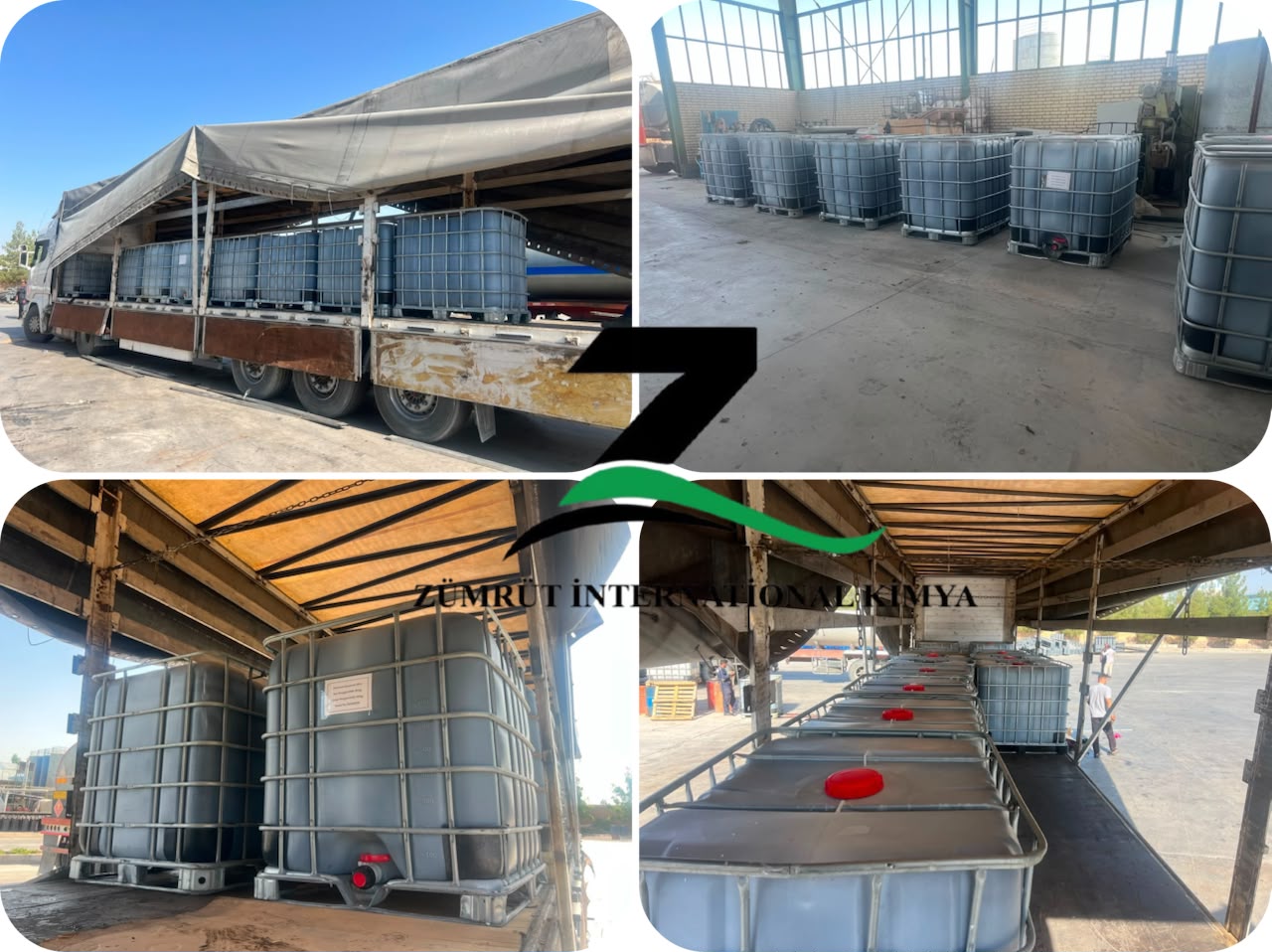
ZUMRUT INT Co. supplies the emulsion behind every treatment on this page, shipped with a batch certificate of analysis before loading. Tell us the treatment and the aggregate and we will confirm the grade.
The seven pavement surface treatments at a glance
| Treatment | What goes down | Seals cracks? | Adds texture? | Service life | Relative cost |
|---|---|---|---|---|---|
| Fog seal | Diluted emulsion only, no aggregate | Hairline only | No — reduces it | 1–3 years | 1× |
| Sand seal | Emulsion plus sand | Fine cracks | Slight | 2–4 years | 1.5× |
| Chip seal | Emulsion plus single-size chippings | Up to about 6 mm | Yes — the most | 5–7 years | 2× |
| Scrub seal | Emulsion broomed into cracks, then chippings | Up to about 10 mm | Yes | 5–8 years | 2.5× |
| Slurry seal | Emulsion, fine aggregate, filler and water mixed on site | Up to about 3 mm | Moderate | 4–6 years | 3× |
| Micro surfacing | Polymer-modified emulsion, aggregate, filler, additives | Up to about 3 mm, and fills ruts | Moderate | 6–9 years | 4× |
| Cape seal | Chip seal, then slurry or micro surfacing over it | Up to about 10 mm | Smooth over textured base | 7–10 years | 6× |
Relative cost is indexed to fog seal as 1× and is indicative only. Local aggregate, haul distance, traffic management and project size move the real figures considerably. Service life assumes the treatment was applied to pavement in suitable condition — applied too late, every one of these underperforms. The Pavement Preservation and Recycling Alliance publishes agency-level guidance on treatment timing.
Choosing pavement surface treatments by condition
The single biggest determinant is the condition of the pavement you are treating. Surface treatments preserve; they do not repair. Applied to a structurally failed pavement, they fail with it.
| Pavement condition | What you see | Suitable treatments | Avoid |
|---|---|---|---|
| Good, early oxidation | Surface greying, no cracking, texture intact | Fog seal | Anything heavier — wasted money |
| Good, minor surface wear | Slight ravelling, hairline cracks, texture loss | Sand seal, slurry seal | Chip seal on smooth urban roads |
| Fair, polished and slippery | Low skid resistance, aggregate polished smooth | Chip seal | Fog seal — makes it more slippery |
| Fair, moderate cracking | Cracks 3–10 mm, no deformation | Scrub seal, chip seal | Fog seal, sand seal |
| Fair, rutted but sound | Wheel-path rutting under 25 mm, no alligator cracking | Micro surfacing | Slurry seal — cannot fill ruts |
| Fair, needs long life | Cracked and textured, budget allows one treatment for a decade | Cape seal | Single treatments if the goal is 10 years |
| Poor, structurally failed | Alligator cracking, potholes, pumping, deformation | None — needs rehabilitation | All surface treatments |
The most expensive mistake in pavement preservation is treating too late. A surface treatment applied to a road in good condition buys five to seven years for a fraction of the cost of resurfacing. The same treatment on a road already showing alligator cracking buys eighteen months and then fails, because the problem is in the base, not the surface. Agencies that treat early spend less over the life of the network, and it is not close.
Which emulsion grade each treatment needs
This is where a treatment decision becomes a purchase decision, and where most published guidance stops.
| Treatment | Emulsion grade | Why that grade | Application rate |
|---|---|---|---|
| Fog seal | CSS-1, SS-1 | Slow setting, heavily diluted, must soak into the surface rather than sit on it | 0.3–0.9 l/m² diluted |
| Sand seal | CRS-1, RS-1 | Rapid setting so the sand is held before it can be blown or tracked away | 0.6–1.2 l/m² |
| Chip seal | CRS-2, RS-2, K1-60 | Rapid setting with high binder content to grip single-size chippings immediately | 1.0–1.8 l/m² |
| Scrub seal | CRS-2 polymer modified | Must be broomed into cracks without breaking prematurely, then set fast | 1.2–2.0 l/m² |
| Slurry seal | CSS-1h, SS-1h, K3 | Slow setting so it can be mixed with fine aggregate and filler without breaking in the paver | By mix design |
| Micro surfacing | CSS-1h, polymer modified | Polymer modification is mandatory. Breaks chemically rather than by evaporation, which is what allows the fast return to traffic | By mix design |
| Cape seal | CRS-2 then CSS-1h | Two treatments, two grades — rapid setting for the chip layer, slow setting for the slurry over it | Combined |
The pattern is consistent: anything with chippings needs a rapid-setting grade; anything mixed with fine aggregate needs a slow-setting grade. The full explanation of setting classes and charge matching is on our bitumen emulsion page, and the governing specifications are ASTM D977 and D2397.
The aggregate charge question applies here too
Whichever treatment you choose, the emulsion must be charge-matched to the aggregate. Siliceous aggregate — granite, quartzite, sandstone — carries a negative surface charge and needs cationic emulsion. Calcareous aggregate such as limestone carries a positive charge and works with anionic.
Get this wrong on a chip seal and the chippings shed under traffic within the first winter. It looks like a construction failure and is a specification failure.
The pavement surface treatments in detail
Fog seal
A single light spray of heavily diluted emulsion onto an existing surface, with no aggregate. It rejuvenates an oxidised surface, seals hairline cracks and restores a uniform black appearance.
The limitation is obvious once stated: with no aggregate, it adds no structure and no texture. In fact it reduces skid resistance temporarily, which is why some specifications require sanding after application. Use it early, on pavement that is greying but not yet cracking. Detail is on our fog seal page.
Sand seal
Emulsion sprayed and immediately covered with sand rather than chippings. It fills fine cracks, adds a little texture and costs marginally more than a fog seal.
It occupies a narrow band: pavement too worn for a fog seal but not worn enough to justify a chip seal. It also suits situations where chippings are unacceptable — car parks, areas with pedestrian traffic, or roads where loose stone would be a hazard. See sand seal.
Chip seal
The workhorse of pavement preservation worldwide. Emulsion is sprayed, single-size chippings are spread immediately and rolled in, and the excess is swept up after the binder sets.
It delivers the most texture of any treatment, which makes it the answer when skid resistance is the problem. It seals cracks up to about 6 mm and typically buys five to seven years. The trade-offs are noise, loose stone in the first weeks, and an appearance that some urban authorities will not accept. See chip seal.
Scrub seal
A chip seal with one modification: after the emulsion is sprayed, a broom sled is dragged across the surface to scrub the binder down into the cracks before the chippings go on.
That single step lets it seal cracks up to about 10 mm — wider than a conventional chip seal can manage — because the binder is forced into them rather than bridging over them. It costs slightly more and needs the right equipment, but on a cracked pavement it substantially outperforms a standard chip seal.
Slurry seal
Emulsion, fine aggregate, mineral filler and water mixed in a purpose-built machine and spread in a thin layer. Unlike chip seal, it produces a smooth uniform surface with no loose stone.
That makes it the urban and residential choice where chip seal is unacceptable. It seals cracks up to about 3 mm and returns to traffic in one to four hours. What it cannot do is fill ruts — the layer is too thin and the mix too fluid. See slurry seal.
Micro surfacing
Structurally similar to slurry seal but with a critical difference in chemistry: the emulsion is polymer modified and formulated to break chemically rather than by water evaporation.
Two things follow. It returns to traffic in about an hour rather than four, which allows night work on busy roads. And it can be laid thicker in wheel paths, so it fills ruts up to around 25 mm — the only treatment on this page that can. It costs more than slurry seal but lasts longer. Our slurry seal vs micro surfacing comparison covers the choice in detail, and micro surfacing has the full specification.
Cape seal
Not a treatment in its own right but a combination: a chip seal followed by a slurry seal or micro surfacing laid over it, usually a few days later.
The chip seal does the sealing and provides the structure; the slurry over it fills the voids between chippings and produces a smooth, quiet, urban-acceptable surface. You get the crack-sealing capability of chip seal without loose stone or noise.
It is the most expensive option here and the longest lasting, typically seven to ten years. It suits residential streets that need real crack sealing but where a bare chip seal would generate complaints.
Return to traffic and construction constraints
| Treatment | Return to traffic | Minimum temperature | Rain risk window |
|---|---|---|---|
| Fog seal | 2–4 hours | 10 °C rising | High — washes off before breaking |
| Sand seal | 1–2 hours | 10 °C rising | Moderate |
| Chip seal | 1–2 hours at reduced speed | 15 °C rising | Moderate — rain before rolling loses chippings |
| Scrub seal | 1–2 hours at reduced speed | 15 °C rising | Moderate |
| Slurry seal | 1–4 hours | 10 °C rising | High — relies on evaporation |
| Micro surfacing | About 1 hour | 10 °C rising | Lower — breaks chemically |
| Cape seal | Per layer, plus days between | 15 °C rising | Two weather windows needed |
The rain column is the one that wrecks programmes. Every treatment here uses emulsion, and emulsion must break before rain arrives. Slurry seal and fog seal rely on water evaporation and are the most vulnerable. Micro surfacing breaks chemically and tolerates marginal weather better, which is part of what the premium buys.
Common specification errors
-
Treating a failed pavement
Surface treatments preserve, they do not repair. Alligator cracking, pumping or deformation means the base has failed and no seal will fix it.
-
Slurry seal to fix ruts
The layer is too thin. Micro surfacing is the only treatment here that fills wheel-path rutting.
-
Fog seal on a slippery road
It reduces texture further. If skid resistance is the problem, chip seal is the answer.
-
Wrong emulsion charge
Anionic emulsion on granite strips within a season. Match the charge to the aggregate mineralogy.
-
Chip seal in a residential street
Technically sound, politically difficult. Loose stone and noise generate complaints. Cape seal or slurry is the urban answer.
-
Ignoring the weather window
Emulsion must break before rain. A treatment laid the afternoon before a storm is money spent twice.
-
Sweeping too early or too late
On chip seal, sweeping before the binder sets pulls chippings out; sweeping too late leaves loose stone as a hazard.
-
Specifying by habit
The treatment used last time is not automatically right this time. Condition, traffic and climate change the answer.
Frequently asked questions about pavement surface treatments
What are pavement surface treatments?
Thin bituminous layers applied to an existing road to extend its life, rather than to build or rebuild it. The seven main types are fog seal, sand seal, chip seal, scrub seal, slurry seal, micro surfacing and cape seal. All are applied cold using bitumen emulsion, all seal the surface against water, and each suits a different combination of pavement condition, traffic and budget.
What is the difference between chip seal and slurry seal?
Chip seal sprays emulsion and drops single-size chippings onto it, producing a rough textured surface with high skid resistance. Slurry seal spreads a pre-mixed combination of emulsion, fine aggregate, filler and water, producing a smooth uniform surface with no loose stone. Chip seal seals wider cracks and lasts longer; slurry seal is quieter and more acceptable in urban settings.
What is the difference between slurry seal and micro surfacing?
Micro surfacing uses a polymer-modified emulsion formulated to break chemically rather than by water evaporation. That allows return to traffic in about an hour instead of four, tolerates marginal weather better, and permits thicker placement in wheel paths so it can fill ruts up to around 25 mm. Slurry seal cannot fill ruts. Micro surfacing costs more and lasts longer.
What is a cape seal?
A chip seal followed by a slurry seal or micro surfacing laid over it, usually a few days later. The chip layer seals cracks and provides structure; the slurry over it fills the voids between chippings and produces a smooth quiet surface. It gives chip seal crack-sealing performance without loose stone or noise, at the highest cost and the longest service life — typically seven to ten years.
What is a scrub seal?
A chip seal with an added step: after the emulsion is sprayed, a broom sled is dragged across the surface to scrub the binder down into the cracks before chippings are applied. That lets it seal cracks up to about 10 mm, wider than a conventional chip seal can manage, because the binder is forced into cracks rather than bridging over them.
Which pavement surface treatment lasts longest?
Cape seal, at typically seven to ten years, followed by micro surfacing at six to nine and scrub seal at five to eight. But service life depends heavily on when the treatment was applied. Any of these on a pavement already showing structural distress will underperform its range substantially.
Which emulsion grade do I need for chip seal?
A rapid-setting grade with high binder content — CRS-2 for cationic, RS-2 for anionic, or K1-60 under European naming. The emulsion must break almost immediately on contact with the chippings so they are held before traffic or wind can dislodge them. Application rate is typically 1.0 to 1.8 litres per square metre.
Which emulsion grade do I need for slurry seal and micro surfacing?
A slow-setting grade: CSS-1h, SS-1h or K3. Slow setting is essential because the emulsion is mixed with fine aggregate and filler, and the enormous surface area of fine material would break a rapid-setting grade instantly in the machine. For micro surfacing the emulsion must additionally be polymer modified.
Can pavement surface treatments fix a badly damaged road?
No. Surface treatments preserve pavement that is structurally sound; they do not repair pavement that has failed. Alligator cracking, potholes, pumping or deformation indicate a base or subgrade problem, and a seal laid over it will crack through within a season. Those pavements need rehabilitation or reconstruction.
How cold is too cold to apply a surface treatment?
As a general rule, surface and air temperature should be at least 10 °C and rising for slurry, micro surfacing, fog and sand seals, and at least 15 °C and rising for chip and scrub seals. Emulsion needs warmth to break properly, and a treatment laid on a cold falling temperature will not cure before nightfall.
What happens if it rains after application?
If the emulsion has not broken, rain washes it off and the treatment is lost. Fog seal and slurry seal are most vulnerable because both rely on water evaporation. Micro surfacing breaks chemically and tolerates marginal weather better. Chip seal is at risk mainly before rolling, when rain can dislodge chippings before they are embedded.
Which treatment is best for a residential street?
Slurry seal or micro surfacing if the pavement needs only light sealing, or cape seal if it has real cracking. All three produce a smooth surface without loose stone. A bare chip seal on a residential street is technically sound but generates complaints about noise and loose chippings, which is why many urban authorities avoid it.
Do you supply the emulsion for these treatments?
Related pages
Individual treatment guides: fog seal, sand seal, chip seal, slurry seal, micro surfacing, seal coating and slurry seal vs micro surfacing.
Binder selection: bitumen emulsion grades and selection, cationic emulsion, anionic emulsion, SS-1 vs CSS-1 and polymer modified bitumen.
Construction-stage treatments, which are a different thing entirely: prime coat vs tack coat and cutback vs emulsion.
Tell us the treatment and the aggregate
Send us which treatment your specification names, the aggregate type and the quantity, and we will confirm the emulsion grade before you order. If the aggregate is siliceous or you are not sure, that changes the answer — and getting it wrong shows up as stripping in the first season. Batch certificate of analysis with every shipment.
