Description
Slurry Seal systems (slurry seal and micro surfacing) are thin emulsion cold mixed overlays which are recognized as cost-effective restorative and preventive maintenance techniques for roadways of most traffic levels, airport runways and taxiways, highways, shoulders, sidewalks, foot and cycle paths, and parking lots. They may also be used as wearing courses on emulsion stabilized bases or recycled roadways, bond courses, crack fill or combined with other techniques like chip seal .
The asphalt surface of roads can deteriorate over time due to various factors, including weather conditions like frost, sunlight, and heat, as well as road salting, snow removal, and the impact of heavy traffic. Friction from tire chains and snowplow blades further accelerates wear, leading to issues such as erosion, raveling, aggregate loss, honeycombing, and sulphate attacks. Neglecting timely repairs and overlay installation allows these damages to worsen, potentially resulting in complete failure of the road surface and its underlying layers. To prevent such deterioration, the application of protective layers is highly recommended. These layers not only help maintain the road’s condition but also postpone the need for overlays, fill cracks, and provide waterproofing to protect both the asphalt and its sublayers.
Slurry seal is an effective and economical solution for road maintenance and preservation. It consists of a cold mixture of fine-graded aggregate, asphalt emulsion, mineral fillers, polymers, and water, applied as a surface treatment. While it serves as a preventive and corrective maintenance measure, slurry seal does not enhance the structural strength of the pavement. By incorporating polymers into our slurry seal formulations, we ensure greater durability and versatility, meeting the specific needs of each application through tailored mix designs.
This technique involves spreading a mixture of aggregate, water, and bitumen emulsion over the road surface to improve texture, waterproofing, and durability. Slurry seal also includes the addition of fillers, such as cement, and requires specialized paving equipment for application. Beyond filling voids, it enhances surface resistance, making it an essential method for prolonging the lifespan of asphalt pavements.
Slurry seals, typically have three aggregate gradations:
Type 1 (fine)
This type has the finest aggregate gradation (smaller than 2.36 mm) and is used for filling small cracks. They are used as a preparatory pavement treatment and are limited to low traffic areas.
Type 2 (general)
This type is coarser than the Type 1 slurry, and is the most commonly used slurry seal type. It treats surfaces with moderate raveling, and improves the skid resistance of the existing pavement.
Type 3 (coarse)
Type 3 slurry seals consist of the coarsest gradation and is used to treat surfaces with slight depressions, to prevent water ponding and reduce the probability of hydroplaning.
How thick is slurry seal?
The thickness of slurry seal depends on the type of material used, the condition of the pavement, and the desired outcome. Generally speaking, a slurry seal should be applied at a minimum thickness of 1/4 inch (6 mm). For more severe pavement defects or for areas with high traffic volumes, thicker layers may be necessary. The maximum recommended thickness is usually 1/2 inch (12 mm).
How much does slurry seal cost?
The cost of slurry seal depends on several factors, such as the type of material used, the condition of the pavement, and the desired outcome. Generally speaking, a slurry seal can range from $0.50 to $2.00 per square foot (5-10 $ per square meter – m2). The cost may also be affected by labor costs and other associated expenses. It is important to note that slurry seal is an economical.
How do we Apply a Slurry Seal?
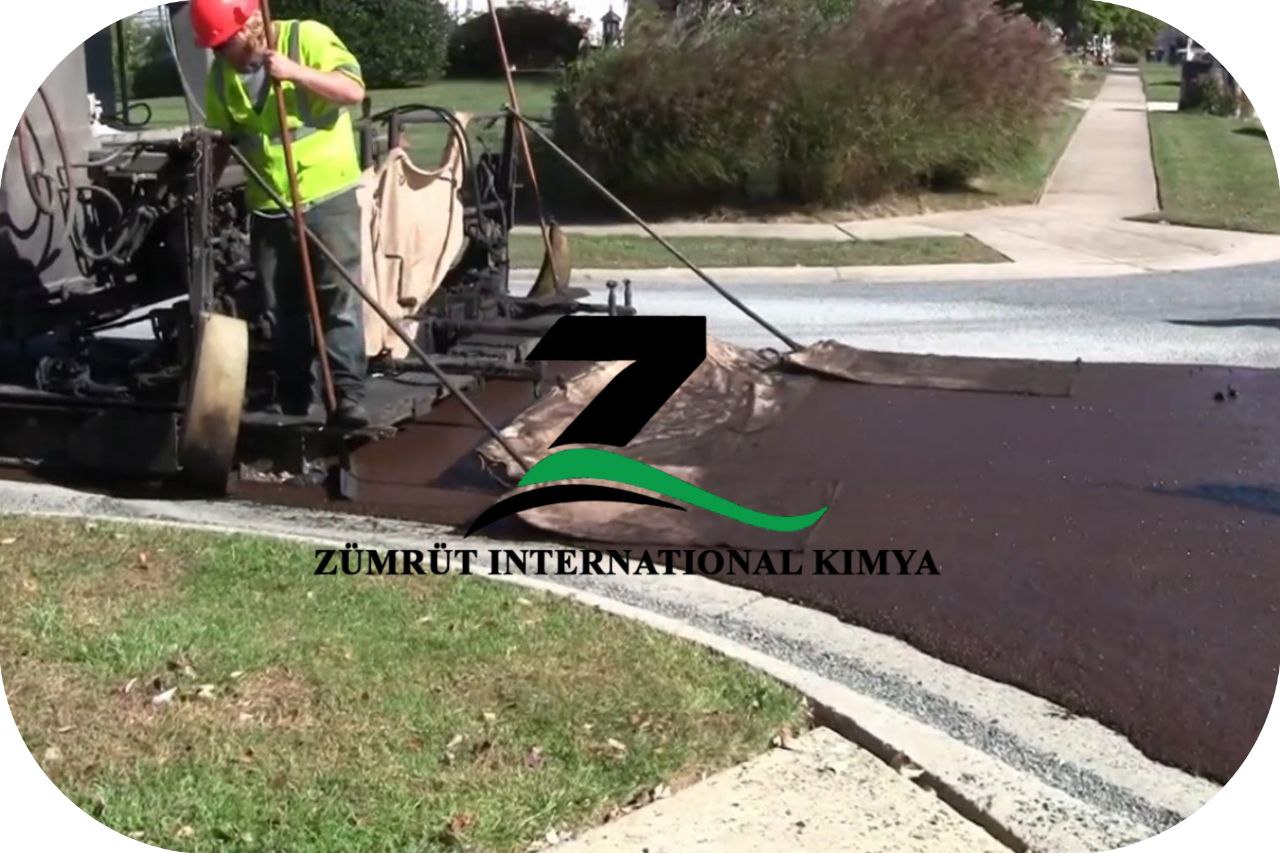
Slurry seal application may be accomplished manually or by the utilization of a spreader box, depending on roadway length and complexity. The objective is to fully saturate the asphalt surface and evenly apply the slurry across the entire roadway. A proper assessment of the pavement condition must be made before application. This includes inspection of surface cracks, water damage, and other signs of deterioration to determine if slurry sealing is necessary or if other work needs to be performed.
Once the pavement is in condition, and required pre-treatments such as crack sealing have been performed, the slurry seal process occurs. The surface is first swept clean of dust and debris, and then one or more even layers of slurry are applied. Once the emulsion hardens and sets, additional coats can be put on as needed. Roads typically reopen to traffic in a few hours, with speed limits up to 30 km/h (18 mi/h) to provide sufficient setting and strength.
Key Factors to Consider for Slurry Seal Design
An efficient slurry seal is designed by paying proper attention to a number of key factors that will ensure the surface performs well during its service life. Among these, the major ones which determine the effectiveness of the slurry seal are traffic conditions, aggregate shape, characteristics of the existing surface, and material compatibility. Dealing properly with these aspects will greatly increase the prospects of having a sound and long-lasting slurry seal.
Traffic Conditions
Type and volume of traffic are very important in the type of asphalt emulsion applied, as well as the required aggregate gradation. Clearly, the formulations for high volumes of traffic must be more robust to resist wear.
Aggregate Shape
Shape of the Aggregates Aggregates used in the mix are to be measured in both their aggregate quantity and volume of asphalt emulsion needed. Angular aggregates provide better interlock and thus overall performance of the slurry seal.
Characteristics of the Existing Surface
The current surface condition and texture determine the type of aggregate that may be used, quantity, and rate of application for the emulsion. A well-assessed surface will guarantee that the slurry seal adheres properly and with the best results possible.
Material Compatibility
Considering all of these factors at the design process, materials will be able to be mixed in appropriate proportions to make a semi-fluid, homogeneous mix of slurry. This helps in the performance of the seal and its specific intended applications as well.
Designing for the criteria listed will ensure a proper slurry seal that provides satisfactory service life, and pavement maintenance will be sufficiently served.
Application of Slurry Seal
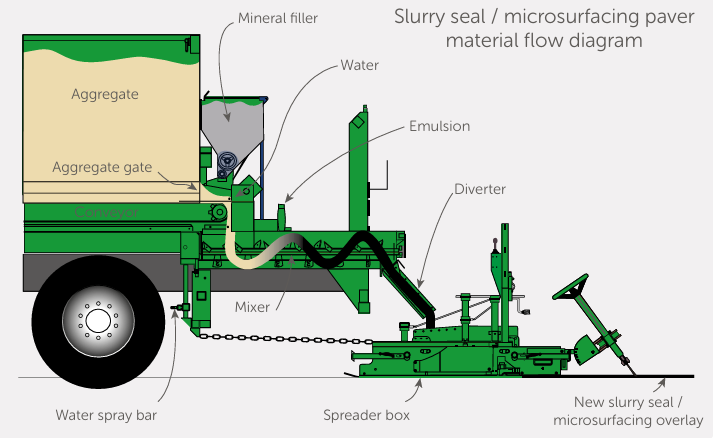
Slurry surfacing is typically applied on highways using specialized self-propelled mix-pavers, which blend and spread the slurry mixture evenly through a spreader box to maintain consistent thickness and profile. For smaller-scale projects, manual application with basic mixing equipment may be used. The typical application rate ranges from 3 to 14 kg/m² in a single pass, though some materials may be layered or applied in deeper surface defects. A bond coat is often applied beforehand to improve adhesion.
The process begins with thorough surface preparation—cleaning debris and repairing defects like cracks or potholes. The slurry mix, composed of fine aggregate, bitumen emulsion, water, mineral fillers (and sometimes polymers), is then blended into a uniform, semi-fluid consistency.
The mixture is applied in a thin layer (usually 3–6 mm thick), and in some cases compacted with a pneumatic roller for better bonding. Curing requires several hours in dry, warm conditions, during which traffic must be controlled to prevent damage.
A final inspection ensures uniformity and strong adhesion, completing a cost-effective, efficient method for extending pavement life while enhancing surface quality and durability.
Quality Control
Quality assurance and quality control The paver has to be calibrated before use. The aggregate may be damp which affects its bulk density and the delivery using volumetric gate type feeders. In many cases a test strip will be laid. During construction the consumption of materials is carefully monitored as a double check on the metering systems. Modern pavers have integrated data-loggers which provide a record of material consumption. The quality of ingredients may be tested during construction. The slurry may be sampled for bitumen determination and performance tests may be performed with site materials or using the slurry discharged from the paver. The fresh seal should have an even color and texture with little or no run off of emulsion from the sides. Workers may correct small imperfections and drag marks in the seal before it cures using squeegees or brooms.
Protect and Extend Your Pavement Life Today!
Discover how our high-quality bitumen emulsion in slurry seal applications can provide a durable, cost-effective solution to maintain smooth, safe, and long-lasting roads. Contact us now to get expert advice and a customized maintenance plan tailored to your pavement needs!
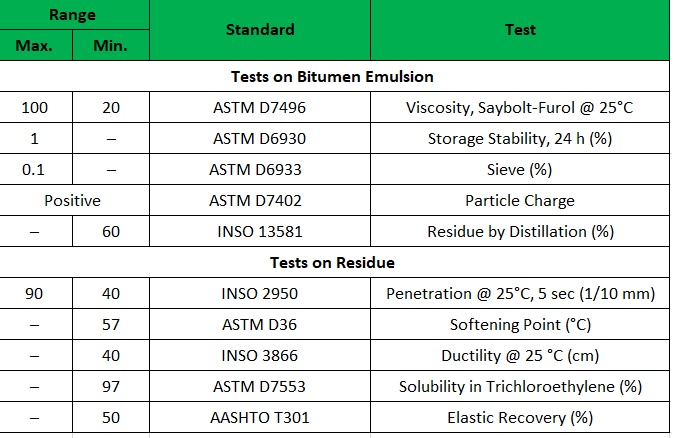
Standard requirements for tests of bitumen emulsion for slurry seal