
Prime Coat vs Tack Coat: Differences, Application Rates and Which Bitumen to Use
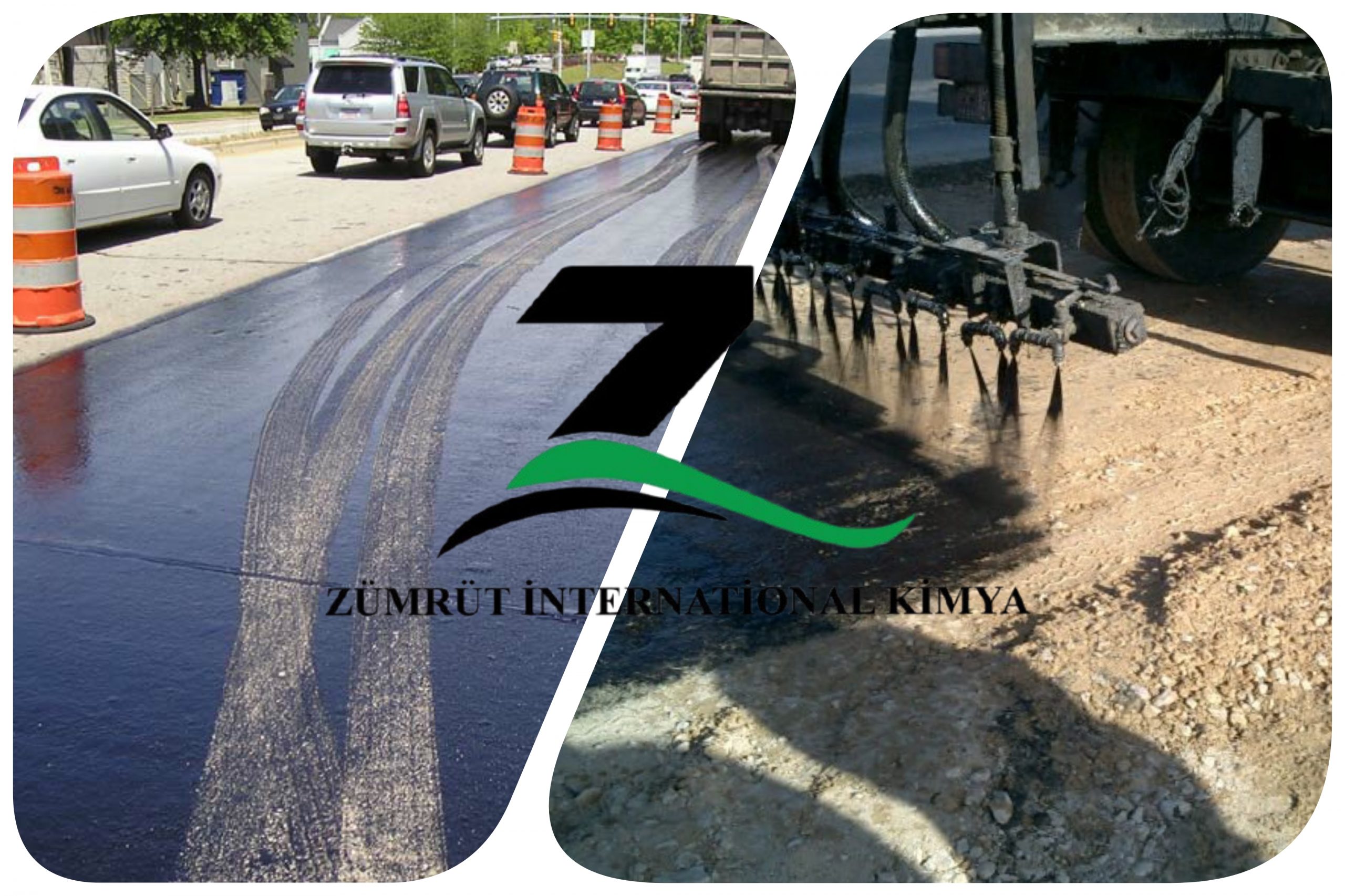
The prime coat vs tack coat question comes up on almost every paving job, and the two are routinely confused on site. The distinction is simple once stated: a prime coat goes onto an unbound granular base and soaks in; a tack coat goes onto an existing bituminous surface and stays on top. Different layer, different purpose, different binder, different application rate. Getting them the wrong way round is one of the more common causes of early pavement failure.
Prime coat vs tack coat at a glance
| Prime coat | Tack coat | |
|---|---|---|
| Applied to | Unbound granular base — gravel, crushed stone, stabilised soil | Existing bituminous surface, or concrete |
| Purpose | Penetrate and bind the surface fines, waterproof the base, provide a bond for the layer above | Bond two pavement layers together so they act as one structure |
| Behaviour | Soaks in — penetration is the whole point | Stays on the surface as a thin film |
| Typical binder | MC-30 or MC-70 cutback; slow-setting emulsion on some specifications | Cationic emulsion (CSS-1, CSS-1h, CRS-1) or RC cutback |
| Application rate | 0.8–1.5 l/m² depending on base texture | 0.15–0.40 l/m² residual — far lighter |
| Curing time | 24–48 hours before the next layer | Until the emulsion breaks — typically 30 minutes to 2 hours |
| Failure if omitted | Base ravelling, moisture ingress, poor bond to the asphalt above | Slippage between layers, delamination, fatigue cracking |
The rest of this guide works through the prime coat vs tack coat comparison in detail: what each one does, which binder grade to specify, how much to apply, and the mistakes that cause the most trouble on site.
What is a prime coat?
A prime coat is a low-viscosity bituminous material sprayed onto a completed granular base course before the first asphalt layer is laid. It has three jobs.
It penetrates. The binder soaks into the top few millimetres of the base, coating and binding the surface fines. That converts a loose granular surface into a coherent one that will not ravel under construction traffic.
It waterproofs. A primed base resists rain during the window between base completion and asphalt laying — a window that can stretch to days or weeks on a real project.
It bonds. The primed surface gives the asphalt layer above something to key into, rather than sitting on loose stone.
Getting the prime coat right
Penetration is the measure of success, and it depends on base texture. An open-textured crushed stone base takes a heavier application; a tight, fine-graded or clay-bound base needs a more fluid grade such as MC-30 to get in at all. Spraying a heavy application onto a tight base produces a film that sits on top and never penetrates — which is a failed prime coat regardless of how much material was used.
Conditions matter as much as material. The base must be dry, clean and structurally sound. Do not prime in rain, onto a wet surface, or immediately before rain is expected: cutback cures by solvent evaporation, and rain falling on an uncured prime coat will strip it off the base. Allow 24 to 48 hours of curing before laying asphalt, and keep construction traffic off during that period wherever the programme permits.
What is a tack coat?
A tack coat is a very light spray of bituminous binder applied between two pavement layers so they bond and behave as a single structure rather than two independent slabs.
The mechanics are worth understanding, because they explain why the application rate is so low. Under traffic, a pavement carries horizontal shear at the interface between layers — particularly under braking, acceleration and turning. If the layers are bonded, that shear is carried by the pavement as a unit. If they are not, the upper layer slips relative to the lower one, and the result is slippage cracking, delamination, and a fatigue life a fraction of what the design assumed.
Getting the tack coat right
The most common mistake is applying too much. A tack coat is a bonding film, not a waterproofing layer — typical residual rates run 0.15 to 0.40 litres per square metre. Excess binder does not improve the bond; it creates a slip plane and can bleed to the surface of the finished pavement.
The surface must be clean. Dust, mud tracked in by haul trucks, or loose material will prevent bonding no matter how correctly the binder is applied — sweeping before spraying is not optional. Emulsion must be allowed to break, changing from brown to black, before the asphalt layer goes down. Laying over unbroken emulsion traps water at the interface.
Uniform coverage matters, which is why a properly calibrated spray bar on a distributor truck moving at constant speed is the right tool. Hand spraying gives streaked coverage, and a streaked tack coat is a partially bonded pavement.
Which bitumen to use for each
Binder selection is where the prime coat vs tack coat distinction becomes a purchasing decision rather than a technical one.
| Application | Recommended grades | Why |
|---|---|---|
| Prime coat — open base | MC-70 | Medium curing gives time to penetrate before the kerosene evaporates |
| Prime coat — tight base | MC-30 | Most fluid cutback grade, penetrates fine-graded and clay-bound surfaces |
| Prime coat — solvent-restricted sites | SS-1, CSS-1 | Slow-setting emulsion where environmental rules limit cutback use |
| Tack coat — standard | CSS-1, CSS-1h | Cationic slow-setting emulsion, diluted with water, gives even light coverage |
| Tack coat — fast turnaround | CRS-1 or RC-250 | Rapid setting where traffic or paving must follow quickly |
Emulsions for tack coat are normally diluted on site. The rates quoted above are residual binder, not diluted volume — check which basis your specification uses before calibrating the distributor.
Where seal coat fits in
Prime coat and tack coat are construction-stage treatments: both are applied during the build, and both end up buried under the layer that follows. A seal coat is different. It is a surface treatment applied to a finished pavement, and it stays visible.
| Prime coat | Tack coat | Seal coat | |
|---|---|---|---|
| When applied | During construction, on the base | During construction, between layers | After construction, on the finished surface |
| Stays visible? | No — covered by asphalt | No — covered by asphalt | Yes — it is the wearing surface |
| Purpose | Bind and waterproof the base | Bond two layers together | Waterproof, seal cracks, restore skid resistance |
| Aggregate | None | None | Yes — chippings spread over the binder |
| Typical binder | MC-30, MC-70 | CSS-1, CSS-1h, CRS-1 | CRS-2, CRS-1, RC-250 |
| Application rate | 0.8–1.5 l/m² | 0.15–0.40 l/m² | 1.0–1.8 l/m² plus chippings |
The three are sometimes discussed together because all use similar binders, but they answer different questions. Prime coat asks how to make a granular base ready for asphalt. Tack coat asks how to make two asphalt layers behave as one. Seal coat asks how to extend the life of a road that already exists.
A seal coat — also called a chip seal or surface dressing — is usually a rapid-setting emulsion sprayed onto the existing surface, followed immediately by a layer of chippings rolled into the binder. It costs a fraction of resurfacing and can add several years to a pavement that is structurally sound but showing surface wear.
Common mistakes on site
Most prime coat vs tack coat failures come down to six recurring errors.
-
Treating tack coat like prime coat
Applying prime coat rates to a tack coat. Four to five times too much binder, creating a slip plane instead of a bond.
-
Priming a wet base
Moisture blocks penetration and the prime sits on the surface. Rain on an uncured prime strips it entirely.
-
Skipping the sweep
Tack coat over dust bonds to the dust, not the pavement. The interface fails under the first heavy traffic.
-
Paving over unbroken emulsion
Water trapped at the interface. Wait for the colour change from brown to black.
-
Wrong cutback grade for the base
MC-250 on a tight base will not penetrate; MC-30 on an open base disappears without forming a bound layer.
-
Opening the prime to traffic too early
Construction traffic on an uncured prime picks the binder up on tyres and destroys the primed surface.
Frequently asked questions
The questions below are the ones we are asked most often about prime coat vs tack coat selection and application.
What is the main difference in the prime coat vs tack coat comparison?
The layer they are applied to and what they do. A prime coat goes onto an unbound granular base and penetrates it, binding the surface and waterproofing the base. A tack coat goes onto an existing bituminous surface and stays on top as a thin film, bonding two pavement layers so they act as one structure. Prime coats use roughly four to five times more binder per square metre.
What is the purpose of a tack coat?
To bond two pavement layers so they carry load as a single structure rather than as two independent slabs. Under braking, acceleration and turning, a pavement carries horizontal shear at the interface between layers. A properly applied tack coat transfers that shear through the pavement as a unit. Without it, the upper layer slips relative to the lower one and the pavement fails far earlier than its design life.
What is the difference between prime coat, tack coat and seal coat?
Prime coat and tack coat are construction-stage treatments applied during the build and buried under the layer that follows. Prime coat goes onto an unbound granular base and penetrates it; tack coat goes between two asphalt layers and bonds them. A seal coat is applied to a finished pavement after construction, stays visible as the wearing surface, and includes aggregate chippings rolled into the binder. It waterproofs, seals fine cracks and restores skid resistance on a road that is structurally sound but worn.
Can a tack coat replace a prime coat?
No. A tack coat sits on the surface by design and will not penetrate a granular base, so it cannot bind the surface fines or waterproof the layer. Using tack coat material on an unbound base leaves the base unprotected and the bond to the asphalt above weak.
What application rate should we use?
Prime coat: 0.8 to 1.5 litres per square metre, at the higher end for open-textured bases and the lower end for tight ones. Tack coat: 0.15 to 0.40 litres per square metre residual binder. Always confirm against the project specification, and check whether the stated rate is residual or diluted volume.
How long should a prime coat cure before laying asphalt?
Typically 24 to 48 hours, depending on the grade used, temperature and humidity. The prime is ready when the surface is no longer tacky to the touch and the binder has penetrated rather than sitting as a film. In hot dry conditions it can be shorter; in humid conditions, longer.
Can prime coat or tack coat be applied in the rain?
No, and not onto a wet surface either. Cutback cures by solvent evaporation and emulsion needs to break, and both processes require dry conditions. Rain on an uncured prime coat will strip it from the base. Plan spraying around dry windows, particularly in tropical climates with a defined rainy season.
Should the tack coat emulsion be diluted?
Usually yes. Cationic slow-setting emulsions are commonly diluted with water, often around one part emulsion to one part water, so that the required residual binder can be spread evenly at such a light rate. Undiluted emulsion at tack coat rates is very difficult to distribute uniformly. Follow the specification and the supplier’s guidance for the specific product.
What happens if the tack coat is omitted?
The layers behave as independent slabs rather than one structure. Under braking and turning loads, the upper layer slips relative to the lower one, producing slippage cracking, delamination and a fatigue life well below the design assumption. It is one of the most consequential shortcuts available on a paving job.
Do you supply cutback and emulsion for prime and tack coats?
Yes. MC, RC and SC cutback grades and anionic and cationic emulsions, shipped in drums and bulk with a batch certificate of analysis before every shipment. Minimum order 100 MT, FOB Jebel Ali, Mersin or Iskenderun.
Need prime coat or tack coat material?
Tell us the application, the base type and the quantity, and we will confirm the grade before you order — a cutback for the prime coat, an emulsion for the tack coat, or both on one shipment. Minimum order is 100 MT and a batch certificate of analysis is issued before loading.
Dubai +971 4 566 4998 · Ankara +90 507 246 9520
