
Introduction
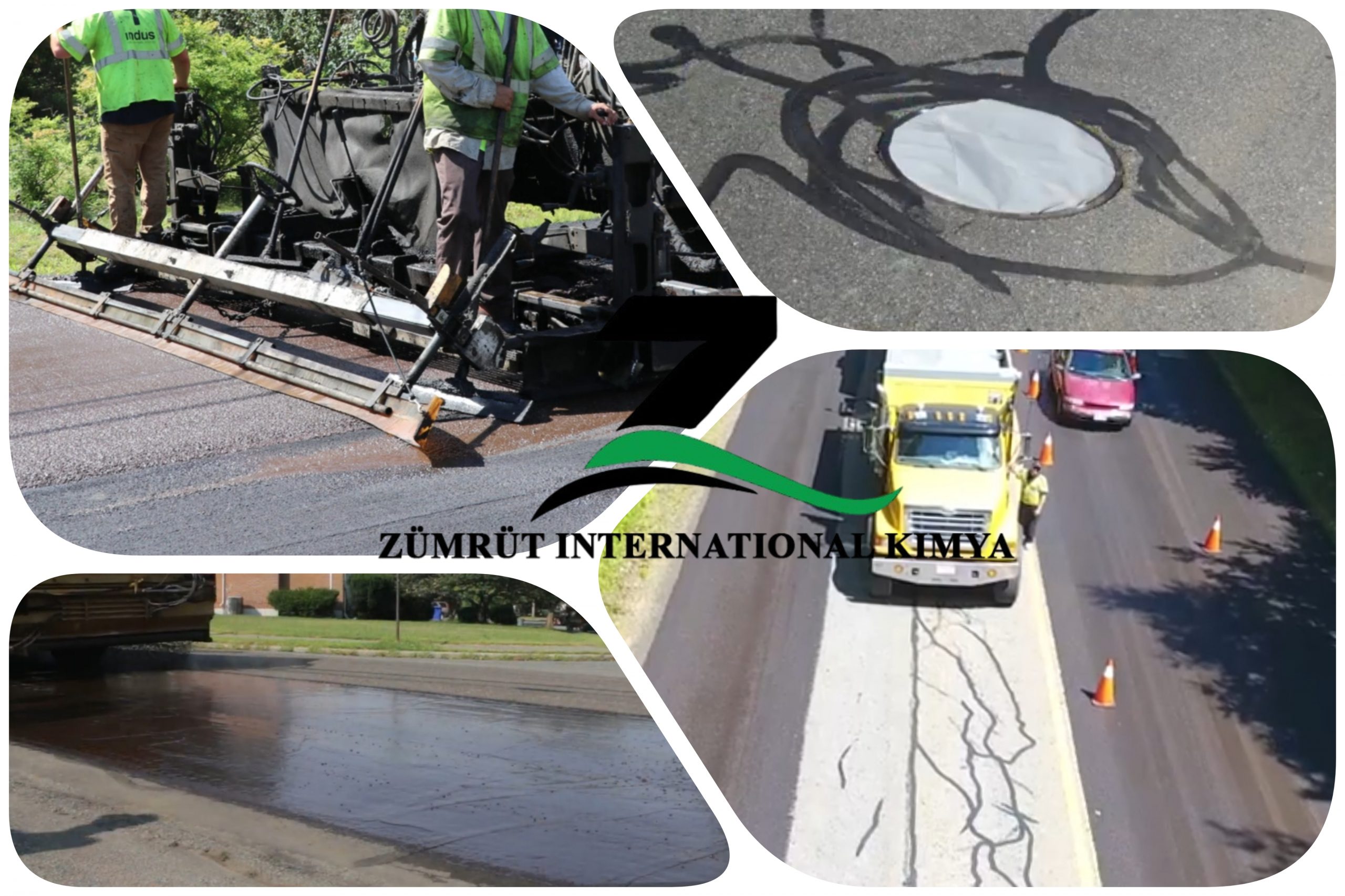
Micro-surfacing is one of the most rapid methods for asphalt maintenance, which is widely used across Western Canada. The process itself is a mixture of polymer-modified asphalt emulsion, 100% manufactured aggregates, Portland cement, water, and liquid additives. A mixture is made based on technical specifications and laboratory mix design. Because it sets so fast, and it can be laid down pretty fast, traffic can return to normal in no time with micro-surfacing.
With that, vehicles could typically resume passage after a few hours of applications, although complete curing times are contingent on climatic conditions and individual project factors. It is used for rut filling, longitudinal and transverse crack repairs with specially designed spreader boxes, leveling courses, and surface improvements from urban streets to major highways. Micro-surfacing does not only fill surface cavities but also renews deteriorated, weathered, and raveled asphalt. It also upgrades skid resistance while greatly extending the life of the roadway.
Process
A precise mixture of polymer-modified asphalt emulsion, quality aggregates, mineral filler and water is uniformly spread over the existing, properly prepared surface. Most installations are done in two successive lifts (a leveling course plus a wearing course), and after application, the mixture adheres firmly to the pavement underneath.
Type of Micro-Surfacing
Micro-surfacing can be classified based on its application and purpose. The main types are as follows:
Rut-Filling Micro-Surfacing
Intended to fill wheel ruts and correct deformed road surfaces.
Applied in deeper layers to restore the road profile before a final wearing course.
Improves ride quality and prevents water pooling.
Surface Course Micro-Surfacing
A thin layer applied over the entire road surface for preventive maintenance.
Improves skid resistance, seals minor cracks, and slows pavement deterioration.
Prolongs the life of roads without changing their structural integrity.
Leveling Course Micro-Surfacing
It is applied for correcting uneven surfaces and minor depressions before the final course is laid.
Ensures a uniform and smooth road before laying the surface course.
Each type of application has a purpose, and in most instances, a combination of these applications shows the best results.
How Does Micro-Surfacing Differ from Slurry Seal?
Although both micro-surfacing and slurry seal are surface treatments, micro-surfacing utilizes a polymer-modified emulsion that facilitates quicker setting and thicker application. Unlike slurry seal, micro-surfacing is hard enough to be applied on highly trafficked roads and is best used for sealing ruts, thereby making it a more durable choice for harsh road conditions.
How does weather affect the application of micro-surfacing?
Weather plays a critical role in the success of micro-surfacing applications. Ideally, it should be applied in warm, dry conditions with temperatures above 10°C (50°F), as lower temperatures or moisture from rain can significantly slow down the curing process.
Cold or wet weather may lead to poor bonding with the existing pavement and reduced durability of the surface treatment. To ensure proper setting and long-term performance, projects should be scheduled during favorable weather conditions.
Why Micro-Surfacing Is the Best Option?
Micro-surfacing stands out for its:
Rate of application
Resistance to harsh conditions
Long-term cost savings over traditional resurfacing
Environmental installation options
It preserves the original road geometry without contributing to pavement thickness or excavation.
Summary
Micro-surfacing is a quick and economical way to maintain asphalts and is greatly in use nowadays in Western Canada. It involves the use of a polymer-modified asphalt emulsion, manufactured aggregates, Portland cement, water, and additives; it can be applied fast to allow early reopening to traffic. It serves the purpose of filling ruts and cracks on roads and can even out road surfaces.
Polymer-Modified Surface Treatment applied in two layers sets faster than slurry seal and can also be used on high-traffic roads. The best results are obtained when applied under warm, dry conditions. With very limited downtime, durability, and minimal maintenance needs, Polymer-Modified Surface Treatment is a smart alternative to traditional resurfacing methods.
