
Introduction
Introduction
Blown bitumen, also called oxidized bitumen, is a chemically modified bitumen that is processed with a controlled air-blown method. The process gives it enhanced thermal stability, hardness, and aging resistance characteristics, which make it an essential material in numerous industries.
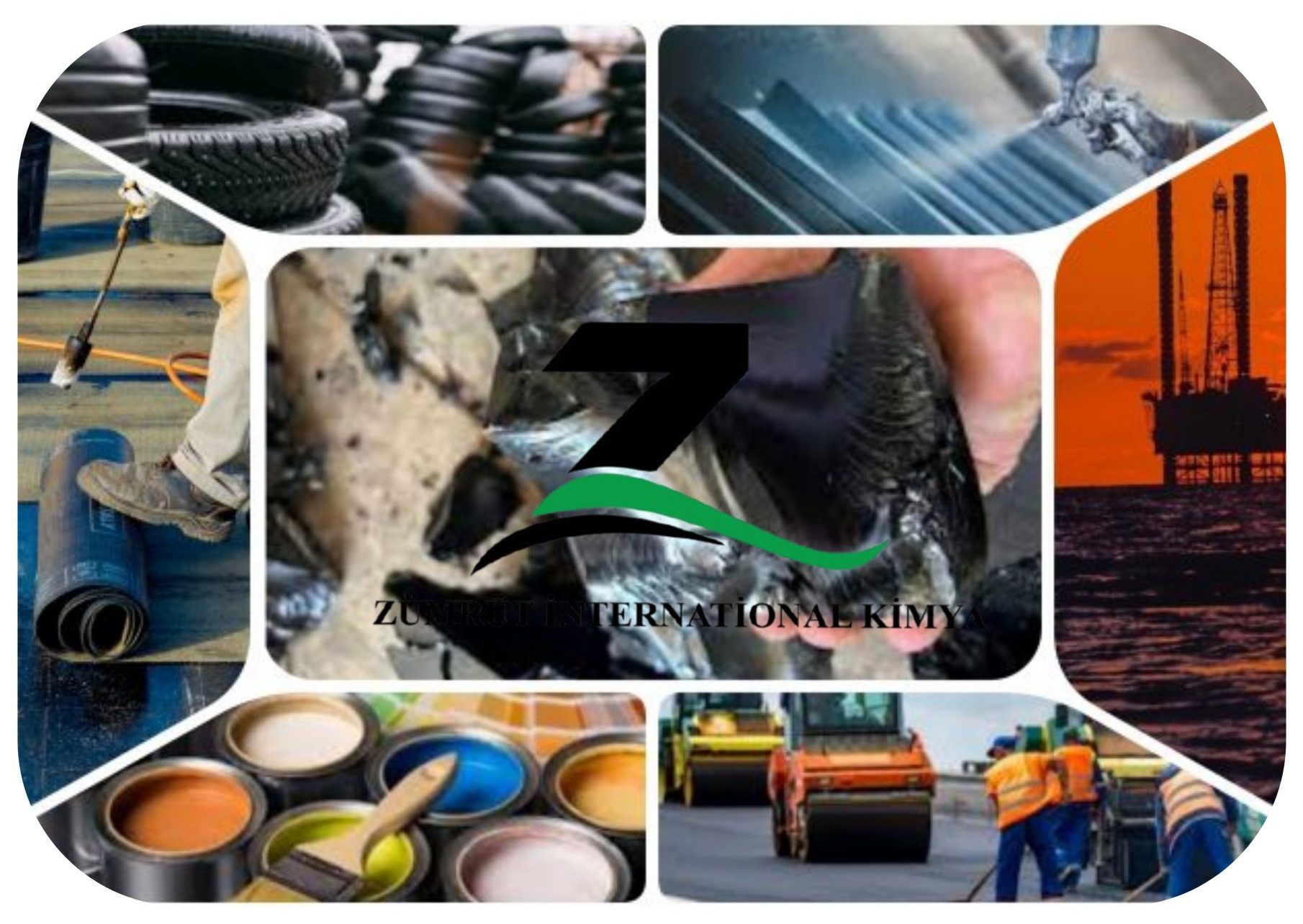
In this article, we present the diversity of oxidized bitumen, ranging from widespread application in construction, insulation, waterproofing, and other manufacturing processes. To extend infrastructure lifespan or as a raw material in advanced manufacturing systems, oxidized bitumen contributes significantly to operational efficiency and reliability.
Let us learn about the special characteristics and value for multiple industries of this engineered material—and its important role in furthering contemporary industrial development.
Usage in Asphalt and Road Construction
Oxidized bitumen plays a crucial role in asphalt production as it increases its heat, pressure, and environmental resistance. This makes the roads stronger and less prone to cracking. Oxidized bitumen also provides water resistance, which keeps the road surface intact regardless of the temperature.
Waterproofing and Insulation
A blend of water resistance and flexibility makes oxidized bitumen an excellent choice for applications regarding waterproof coatings and insulation. The main field of application includes waterproofing roofs, basements, and swimming pools in construction. This avoids the seepage of water into structures, hence enhancing the durability of buildings and protection from moisture-related damages.
Heat-Resistant Coatings
Heat-resistant coatings are used in industries such as steel manufacturing and power generation, where high temperatures are involved. The high melting point of oxidized bitumen enables it to bear extremely high temperatures. Heat-resistant paints containing oxidized bitumen protect surfaces from heat damage, ensuring their durability under harsh conditions.
Ink and Paint Industry
Oxidized bitumen is a key component in durable paints and printing inks. Its high adhesion and resistance to environmental factors make it ideal for industrial uses. These inks and paints are stable and can be applied to metals, plastics, and paper.
Oil and Gas Industry
Oxidized bitumen offers better protection to equipment and pipelines of the oil and gas industry. Its high resistance to corrosion and durability in extreme weather conditions safeguards pipelines from water, soil, and other harmful factors. This enhances the security and longevity of equipment utilized in oil and gas production and transport.
Rubber and Plastic Industry
The oxidized bitumen improves the mechanical properties of rubber and plastic products by improving the adhesion and strength, hence increasing their durability. The bitumen finds its application in producing automobile tires, industrial components, and durable plastic products.
Surface Protective Coatings
It is generally used in the making of protective coatings for metals and wood. The resistance against moisture, heat, and environmental stress, coupled with excellent adhesion, makes oxidized bitumen an ideal material for coatings. The coatings are applied to various surfaces in shipbuilding and construction to offer further protection.
Raw Materials in the Pharmaceutical Industry
Other pharmaceutical items are prepared with the aid of oxidized bitumen. Due to its special chemical and physical properties, the product gains importance in formulations involving ointments, creams, and many other health-related products. It also provides service during the preparation of disinfectants and protective treatments.
Conclusion:
Oxidized bitumen is a product that bestows versatility with great adaptability in many industries; its resistance to water, durability, and resistance to heat raise the importance in products like asphalt, waterproofing, and heat-resistant coatings. With these properties at hand, industries can strive for excellence in performance and increase the service life of their products in order to ensure better quality and efficiency in their line of operation.
