
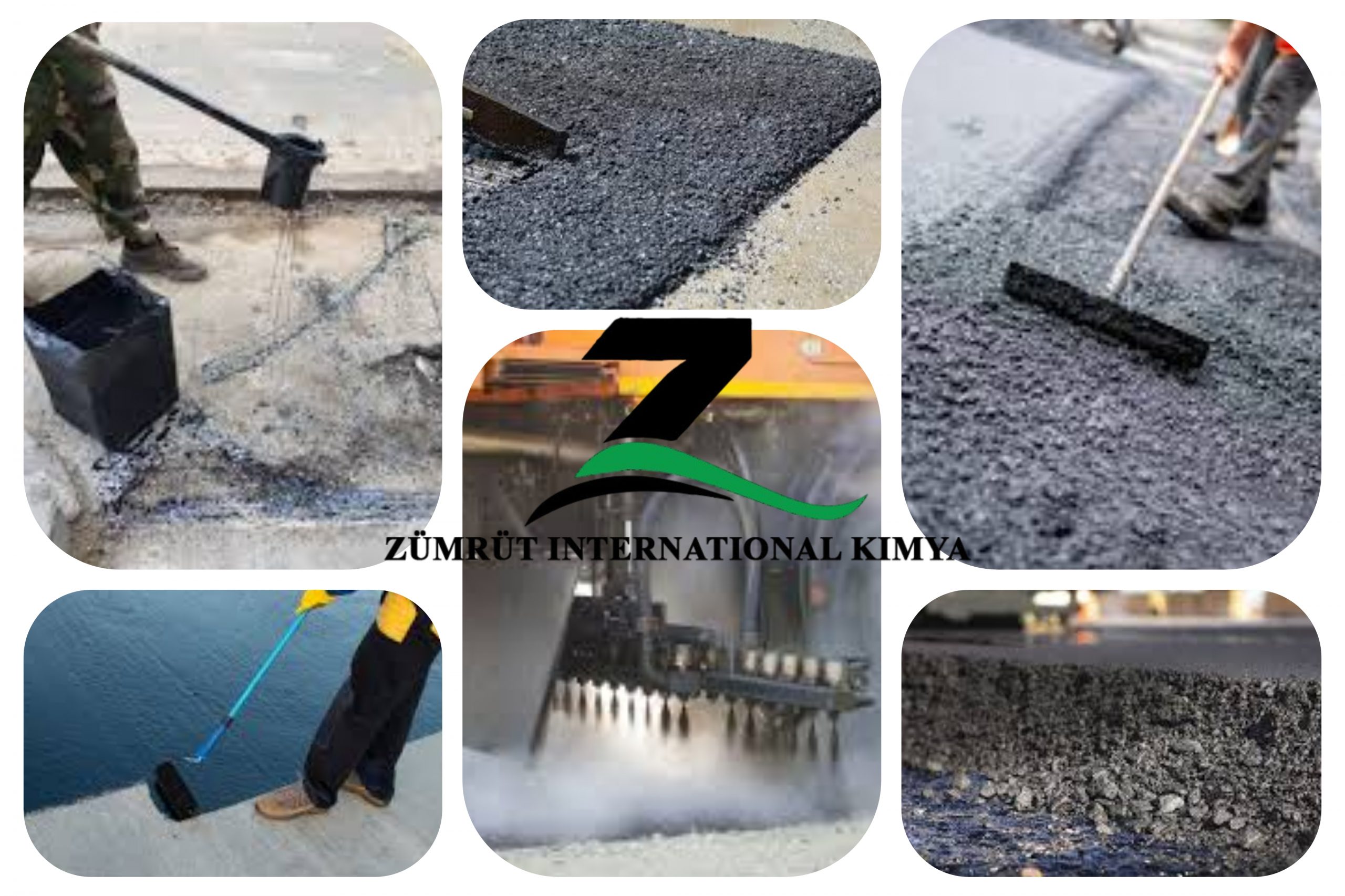
Introduction to Cutback Asphalt
Cutback asphalt is a modified form of asphalt binder produced by mixing conventional bitumen with a volatile solvent. This addition lowers the viscosity of the bitumen, enabling it to be applied at much lower temperatures compared to traditional hot mix asphalt. This property makes cutback asphalt particularly suitable for road construction, repairs, and maintenance in situations where high-temperature heating is impractical or uneconomical.
During application, the solvent gradually evaporates, leaving behind a residue of solid bitumen that forms a durable, adhesive film on the road surface.
Despite its ease of application and long-standing use in the industry, cutback asphalt poses environmental concerns due to the emission of volatile organic compounds (VOCs) during solvent evaporation. Because of this, there has been a growing shift in the industry toward using bitumen emulsions, which offer similar performance characteristics while being significantly more environmentally friendly.
Common Applications of Cutback Asphalt
Cutback asphalt has many common applications in road construction depending on its high adhesion, workability, and penetration properties.
1. Prime Coats
Prime coats are applied to the road base layer before paving. They help bind the base and the ultimate asphalt surface layer, prevent water invasion, and support pavement stability.
Normal Grades:
MC-30 – Best for temperate to warm climates.
MC-70 – Steeper curing; best for warmer climates.
MC-250 – Best when deeper invasion is necessary.
2. Tack Coats
Tack coats bond different layers of asphalt pavement to each other for a firm bond between them and preventing layer slippage or separation.
Standard Grades:
RC-70 / RC-250 – Rapid-drying, which is suitable for hot climates.
MC-30 / MC-70 – Slower setting; ideal for cold climates.
3. Surface Treatments
They are chip sealing, fog sealing, and slurry sealing to:
Improve skid resistance
Extend pavement life
Seal minor cracks
4. Patching and Repairs
Cutback asphalt is optimum to use for pothole, crack, and surface spall repair in asphalt pavement. It provides smoothness and avoids further damage.
Recommended Grades:
RC-250 / RC-800 – High cure rate for hot weather
MC-250 / MC-800 – Medium cure for general use
MC-30 / MC-70 – Greater adhesion at cold temperatures
5. Cold Mix Asphalt (CMA)
Used where it is not feasible to heat mix asphalt—e.g., in remote areas or during cold weather. Cold mix allows for repair without heating the bitumen.
Suggested Grades:
MC-250 / MC-800 – In temperate climates
RC-250 / RC-800 – Where quick setting is required
Climate Suitability of Cutback Asphalt
Choosing the correct cutback grade is based on consideration of local temperature and curing needs:
Cold Climates: Use lower viscosity grades like MC-30 or MC-70 for better workability and penetration.
Hot Climates: Use higher viscosity grades like MC-250 or RC-800 for strength and durability.
Conclusion
Cutback asphalt is still an important choice in road building and maintenance because it is easy to apply, has a good bonding capacity, and is flexible in most climates. Nevertheless, with growing environmental concerns, its application is becoming more restricted or regulated in most areas.
For long-duration, environmentally sound infrastructure use, asphalt emulsions are the preferred alternative. Having knowledge of the strengths and weaknesses of cutback asphalt allows engineers to make sound choices meeting performance as well as environmental criteria.
FAQs
What is the difference between MC, RC, and SC grades?
These represent curing rates: MC = Medium Cure, RC = Fast Cure, SC = Slow Cure.
Why is cutback asphalt controlled?
Because it emits VOCs that are harmful to the environment and human health.
Is cutback asphalt usable in cold weather?
Yes, low-viscosity grades like MC-30 or MC-70 are usable for cold weather use.
